Kitömött barbár (Eredeti nyelven)
1796-ban Kazinczy Ferenc hét éves börtönbüntetését tölti Csehországban, amikor Bécsben meghal barátja, Angelo Soliman. Holttestét császári parancsra kitömik és kiállítják a Természettudományi Múzeumban. Harminchat évvel később Török Sophie, Kazinczy özvegye elmegy a múzeumba, hogy szembenézzen a kitömött testtel. Péterfy Gergely új regénye, mely tíz év munkájának eredménye, mesterien komponált, megrázó és az olvasó érdeklődését mindvégig fenntartó mű.
Stuffed Barbarian (English)
Through the story of two parallel lives in the late 18th to early 19th centuries, the novel is an indictment of racism, obscurantism, rabble-rousing and the rejection of Western values, which, even today, hinder and even prevent communication with Western Europe. The tragic fate of Angelo Soliman—an African whose body was exhibited after his death at the Vienna Natural History Museum—and the equally tragic life of his friend, the Hungarian intellectual and reformist Ferenc Kazinczy—scorned by Vienna and misunderstood by his own people—denounce the primitive mechanisms of blame as well as the ignorance that engenders it. In this article, we highlight direct references to today’s reality in Hungary, often perceived as pervaded by age-old resentments that prevent true moral integration with Europe.
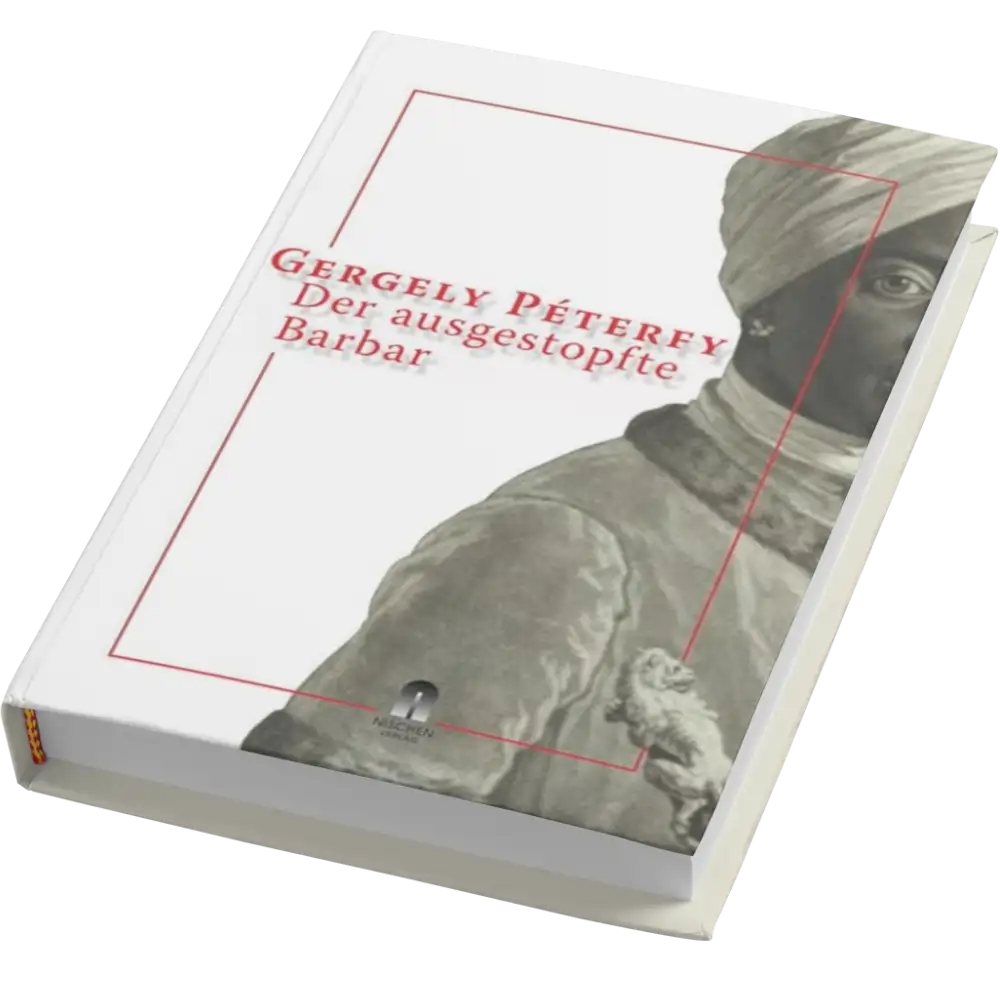
Der ausgestopfte Barbar (Deutsch)
Through the story of two parallel lives in the late 18th to early 19th centuries, the novel is an indictment of racism, obscurantism, rabble-rousing and the rejection of Western values, which, even today, hinder and even prevent communication with Western Europe. The tragic fate of Angelo Soliman—an African whose body was exhibited after his death at the Vienna Natural History Museum—and the equally tragic life of his friend, the Hungarian intellectual and reformist Ferenc Kazinczy—scorned by Vienna and misunderstood by his own people—denounce the primitive mechanisms of blame as well as the ignorance that engenders it. In this article, we highlight direct references to today’s reality in Hungary, often perceived as pervaded by age-old resentments that prevent true moral integration with Europe.
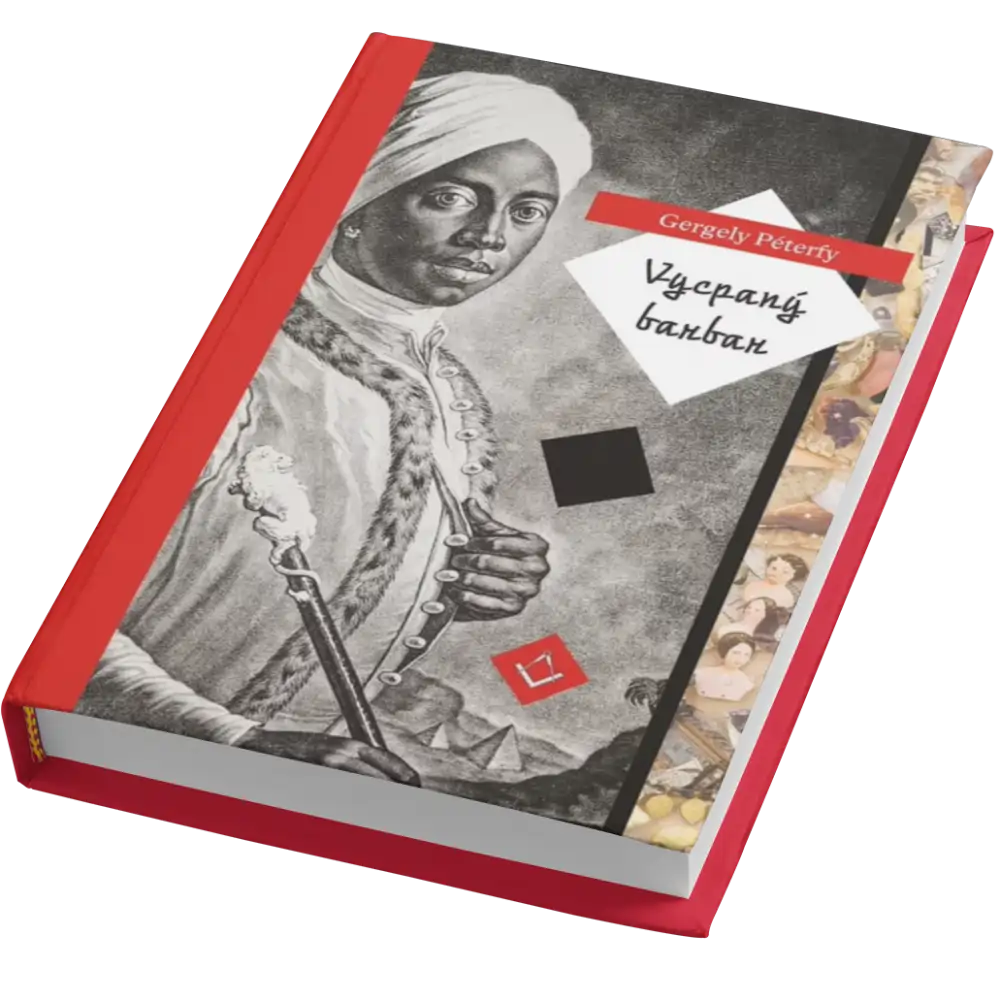
Vycpaný barbar (Český)
V ľuďoch vzbudzoval zvedavosť, sexuálnu túžbu, strach, úctu, alebo naopak pohŕdanie, ba často i nenávisť. Jeho výsostné postavenie sa súčasne prelínalo s pozíciou vyvrheľa. Po Solimanovej smrti bolo jeho telo na príkaz cisára vypreparované a vystavené v Prírodovednom múzeu. Dômyselne vystavaný román môžeme čítať ako príbeh beznádejného zápasu prekliateho génia, ako obraz vášne, radosti a strastí v živote učených hláv, aj ako melancholickú kritiku osvietenstva.
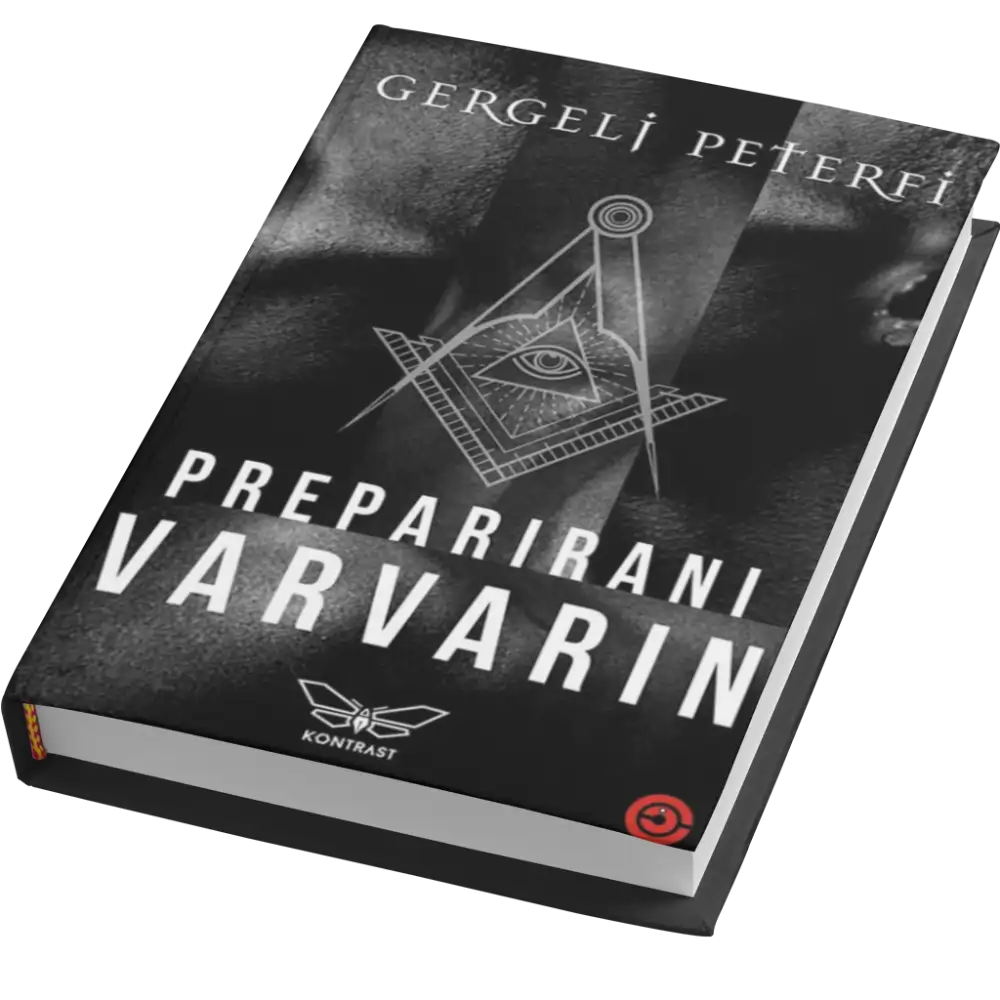
Preparirani Varvarin (Srpski)
Preparirani varvarin se sastoji od nekoliko paralelnih priča, koje objedinjuje osećanje otuđenosti i usamljenosti. Autor se oslanja na biografiju Ferenca Kazincija, velikog mađarskog pisca, pesnika, mislioca i neumornog borca za obnavljanje mađarskog jezika i književnosti u XIX veku. Sa nemilosrdnom temeljnošću i promišljanjem, ovaj roman kroz inteligentne promene perspektiva pokazuje tegobe i izazove života obeleženog potragom za svojim snovima. Ako demijurg uspe da promeni svet, on će nestati, a stvorenja koja je stvorio će patiti pošto ih je oblikovala, ne njihova priroda, već veštačka volja u stanju da promeni taj isti svet. Preparirani varvarin stoga govori o dubokkom i specifičnom prijateljstvu jednog vremena – preko veza i kontakata među masonima, junak knjige će se upoznati sa neobičnim crncem Anđelom Solimantom, nesvakidašnjom figurom u javnom životu Beča, koga su njegovi protivnici istovremeno poštovali i plašili ga se, što zbog boje njegove kože, što zbog čudnovatih veština. Ovo remek-delo Gergelja Peterfija plod je desetogodišnjeg mukotrpnog rada na rukopisu koji svojom složenošću, razbijenošću forme i lucidnim uvidom u istorijske okolnosti ne pušta čitaočevu pažnju od početka do kraja.
Il barbaro impagliato (Italiano)


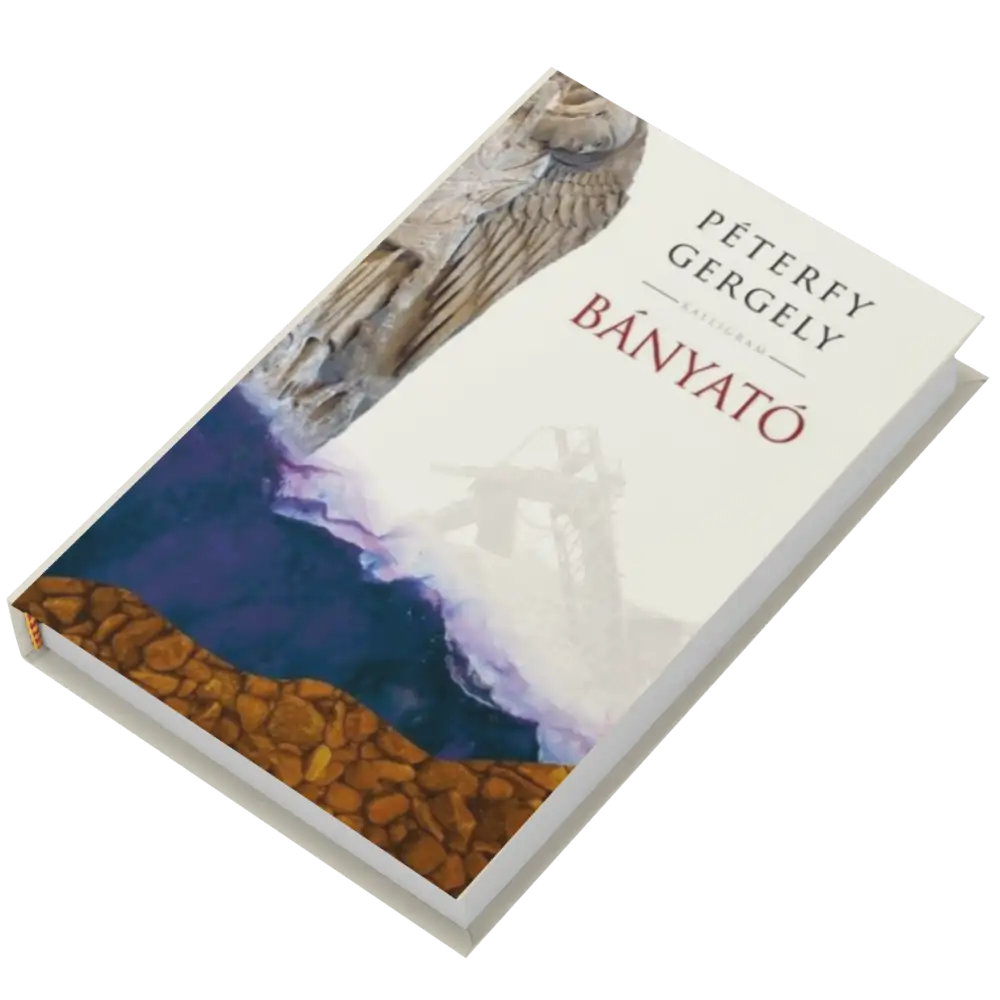
Bányató (Eredeti nyelven)
A bányató őre beszélget a narrátorral tizenkét számmal és címmel ellátott fejezetben, úszókról és megfulladókról (ugyanaz), életről és halálról (ugyanaz?) – hiszen „a bányató egy fölösleges, egy logikátlan, egy értelmetlen tó, tó ott, ahol tó sose lenne, egy olyan tó, ami nem is létezik, evidens tehát, hogy mindent, aminek a létezését feleslegesnek gondolták, ebbe a mindent megszüntető, nem is létező lyukba hajigáltak.” Egy zárt és puszta világ: tisztulás helyett pusztulás, tevés-vevés helyett kevés levés.
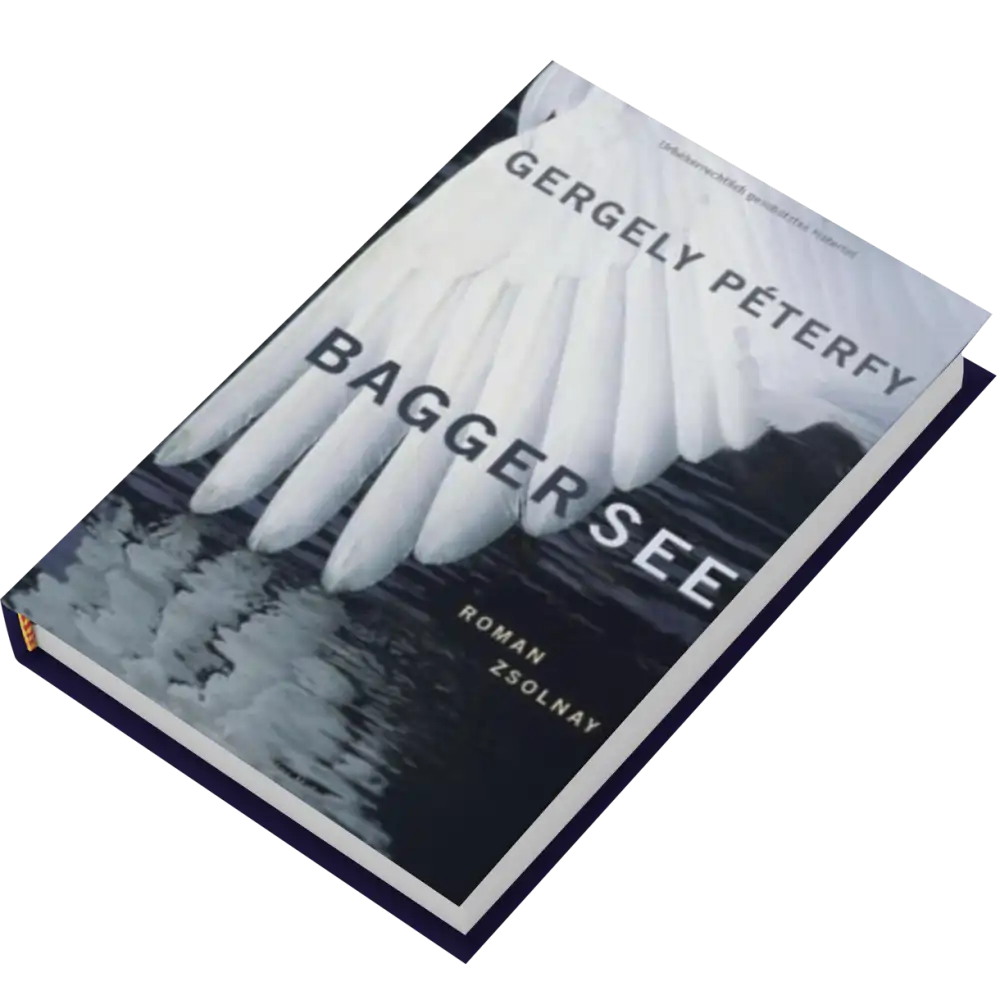
Baggersee (Deutsch)
Eine verbotene Zone, ein paradoxer, künstlicher Ort? - Sonderbar ist dieser Baggersee, der die Menschen mit magischer Kraft anzuziehen scheint. Merkwürdige Existenzen kommen mit allerlei Gepäck und voller Tatendrang an den See, um dort, wie es der selbsternannte und selbstverständlich alleswissende Aufseher formuliert, "zu ertrinken". Gergely Péterfy, der in Ungarn Romane, Hörspiele und Erzählungen publiziert, fabuliert präzise wie Péter Esterházy, und sein Erzählen erinnert an die meisterhaften "Miniaturnovellen" von István Örkény. Auf knappem Raum versteht er es, eine vielschichtige Welt, ein kunstvolles Geflecht aus surrealen Geschichten und skurrilen Beziehungen zu entwerfen.